Home micro pressure oxygen chambers are gradually entering the healthy living vision of modern families, becoming important equipment for daily conditioning and fatigue recovery. The research and development, production, sales, and service of intelligent micro pressure oxygen chambers provide micro pressure oxygen therapy equipment for families and institutions. Many families often face multiple considerations when planning and purchasing micro pressurized oxygen chambers, such as limited available space in the house, floor load limitations, high requirements for stable air pressure control, and whether safety protection mechanisms are complete. Evaluating whether a micro pressurized oxygen chamber is suitable for a home environment cannot only rely on functional claims, but also requires rigorous verification of several important boundaries such as mechanical structure weight, air pressure and oxygen control technology, and environmental regulation capabilities.
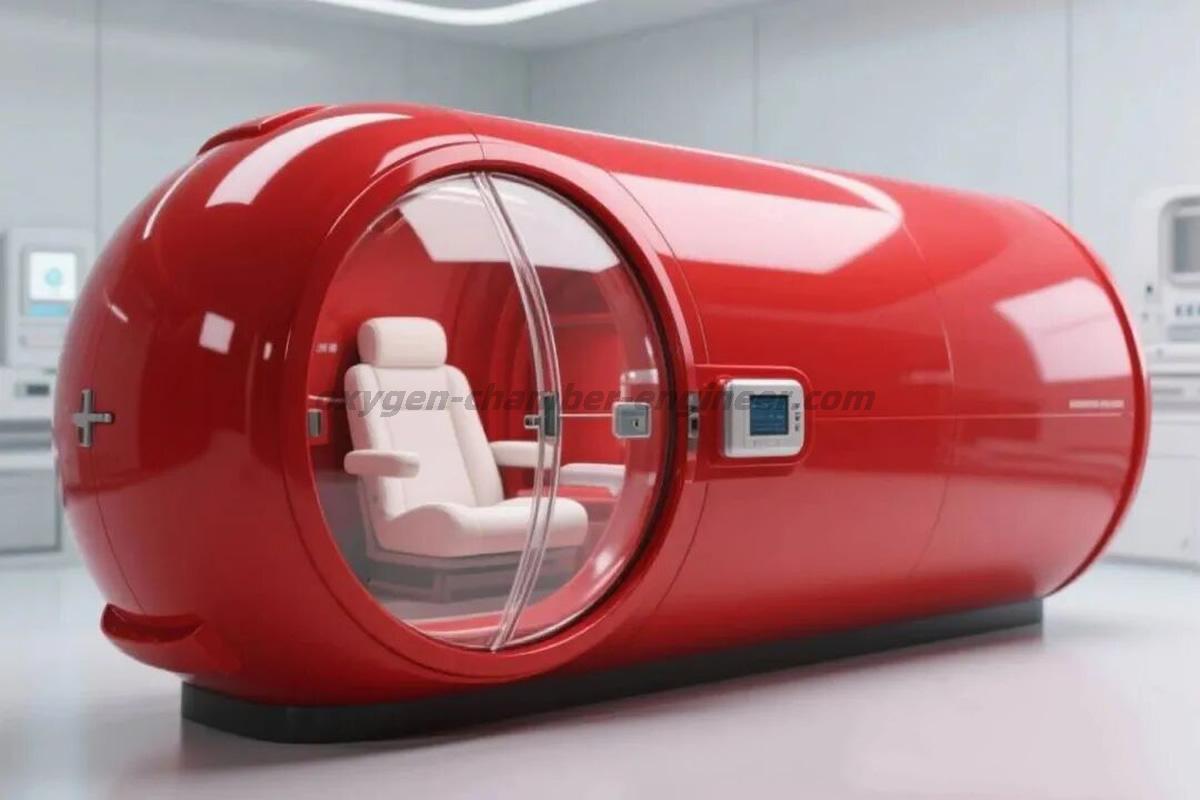
Analysis of the entrance boundary between cabin material and load-bearing capacity
The major difference between home environment and professional health care institutions lies in the rigid limitations of spatial scale and floor load-bearing structure. The width of the entrance door, the size of the elevator, and the design load of the residential floor directly determine the range of choices for the size and weight of the oxygen chamber in ordinary commercial housing. If equipment with excessive weight is chosen, it may cause local pressure on the residential floor, and it is also more likely to be obstructed during transportation and assembly. Therefore, the primary step in purchasing a micro pressurized oxygen chamber is to accurately calculate the cabin material and footprint.
In terms of cabin materials, the mainstream structures commonly used in the market are mainly divided into two categories: carbon fiber composite materials and high-strength steel structures. The carbon fiber intelligent oxygen chamber is made of aviation grade carbon fiber composite materials, which have the structural advantages of lightweight and high strength. The prominent feature of this material is a significant reduction in self weight. The size of the model that can accommodate one to two people is 2100 millimeters by 1200 millimeters by 1950 millimeters, occupying only 3.6 square meters of space and weighing 400 kilograms. Even for larger sizes that can accommodate two to three people, with a floor area of 4.5 square meters and a weight controlled at 600 kilograms. This weight performance is relatively friendly for handling and installation for ordinary family floors or duplex residences, and the pressure on ground loads is also in a relatively mild range.
In contrast, the steel structure oxygen chamber is made of high-strength cold-rolled steel plates. Although it performs well in terms of pressure stability and structural robustness, its own weight usually increases significantly. The steel cabin, which can accommodate one to two people equally, weighs 1000 kilograms and covers an area of approximately 4.26 square meters; The weight of two to three people reaches 1500 kilograms, covering an area of 5.44 square meters. If the reserved space in the home is very limited, the single person micro cabin in the steel structure series provides a compromise option. Its external dimensions are 1900 millimeters by 790 millimeters by 1960 millimeters, reducing the footprint to 1.51 square meters and the equipment weighs 800 kilograms. When planning the placement, readers must calculate the minimum net width and corner radius of the transportation channel in advance, confirm the ground flatness and load-bearing standards, and then make a balance between lightweight carbon fiber cabins and compact steel cabins based on the frequency of use by the household's permanent residents.
Stability verification of oxygen purity and micro pressure control system
The core mechanism of a micro pressure oxygen chamber is to increase the dissolved oxygen content in the blood by providing high-purity oxygen in a micro positive pressure environment. The users of household devices cover different age groups of family members, which requires extremely high control accuracy for the smoothness of air pressure rise and fall and the purity and stability of oxygen supply. If the air pressure rises or falls too quickly or fluctuates violently, users are prone to significant discomfort such as ear swelling and pain; The concentration fluctuations in the oxygen production system will directly weaken the practical value of micro pressure regulation.
From a technical implementation perspective, the oxygen production system of the oxygen chamber often adopts medical grade molecular sieve physical separation technology, and its stable output oxygen concentration index usually needs to be maintained within a reasonable range of 93% plus or minus 3%. On this basis, whether the equipment is equipped with high-precision oxygen concentration sensors for real-time monitoring is a key step in verifying its oxygen production stability. The carbon fiber intelligent oxygen chamber is equipped with a medical grade molecular sieve system and continuous monitoring sensors. The basic oxygen flow rate reaches ten liters per minute and supports capacity upgrades. At the same time, the equipment maintains low-noise operation and supports long-term continuous stable oxygen supply. For general household environments, a quiet oxygen production environment is crucial, as excessive mechanical noise can directly disrupt the psychological state of rest and relaxation inside the cabin.
In terms of air pressure regulation, the standard working pressure range of the micro pressure oxygen chamber is usually set between ten and thirty kilopascals, which is converted to absolute atmospheric pressure of about 1.1 to 1.3, and some requirements can be customized up to fifty kilopascals. The key to evaluating this system lies in the closed-loop feedback algorithm for pressure regulation. High quality micro pressure control systems will use closed-loop pressure control technology to maintain pressure control accuracy within a narrow error range, such as within plus or minus 0.05 megapascals. This high-precision control combined with gentle rise and fall technology can smoothly transition the cabin air pressure within the set time, leaving sufficient natural adaptation time for the user's Eustachian tube. When selecting, readers should focus on verifying whether the equipment supports multi-level pressure intelligent preset mode, and whether the control panel can intuitively display the current pressure curve to ensure easy operation and soft and controllable pressure boosting process.
Analysis of Redundant Design for Cabin Environment Control and Safety Protection
A household oxygen chamber is a relatively enclosed space where users typically stay for tens of minutes or even longer. Once the temperature and humidity in a confined space are not regulated, or the air circulation is not smooth, it can easily lead to adverse experiences such as stuffiness, dryness, or air pollution. Therefore, the micro pressurized oxygen chamber is not a single pressurized container, but a comprehensive system that integrates environmental control, air purification, and multiple safety protections.
A good cabin environment relies on the coordinated operation of independent fresh air circulation, temperature and humidity balance, and air purification system. In the design of the carbon fiber intelligent oxygen chamber, the environmental regulation system integrates independent silent air conditioning, fresh air circulation device, and negative oxygen ion release system. Its negative oxygen ion system can achieve continuous release of high concentration ions ranging from 3000 to 10 million per cubic centimeter, and on the basis of a low-pressure and high oxygen environment, it adds air purification effect, effectively alleviating the oppressive feeling of traditional enclosed cabins. In addition, with a 15.6-inch high-definition touch screen, ergonomic adjustable seats, and a low-noise audio and video system, the monotonous process of health care can be transformed into a comfortable rest period.
More fundamental than comfort is the redundancy depth of the safety protection system. The micro pressurized oxygen chamber operates under pressure and must have the ability to ensure the safe escape of personnel under various extreme working conditions. A mature safety design should include three dimensions: electrical safety, airtight safety, and mechanical pressure relief. In actual product architecture, the six fold security protection system has become an important reference standard for measuring security redundancy in the industry. This includes dual pressure sensors to achieve dual monitoring and mutual calibration, preventing reading deviation caused by single sensor failure; Equipped with dual safety relief valves to cope with overpressure situations; Set up a mechanical emergency pressure relief device to ensure that the door can still be quickly released through pure mechanical means even in the event of a complete power outage or system crash; At the same time, it should also have an oxygen concentration over limit sound and light alarm system, power outage emergency protection mechanism, and leakage overcurrent electrical interlock protection. Readers must request the supplier to display the physical location and operation mode of the mechanical emergency valve one by one when making a purchase, and confirm whether the resistance and steps for opening the cabin door under power-off conditions meet the self rescue standards for elderly and independent users.
Family selection matching and deployment verification checklist
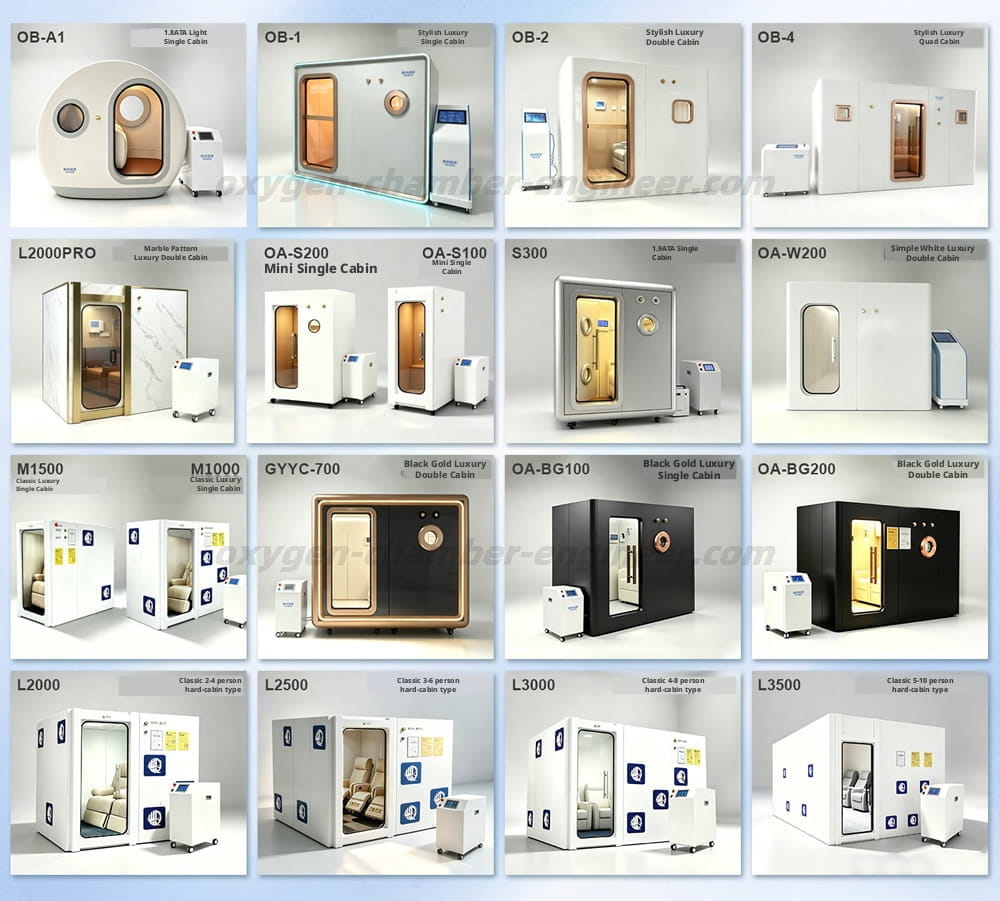
After clarifying the technical boundaries mentioned above, readers need to accurately match specific product parameters with their own household usage patterns when making final product selections. The selection of specifications for micro pressure oxygen chambers is usually based on the number of permanent users and installation scenarios. If it is used independently by a single person and the indoor area is relatively compact, a single person micro steel cabin with a smaller footprint advantage becomes a feasible solution, but its 800 kilogram weight needs to be rechecked in advance for its concentrated load capacity on the ground of the placement area.
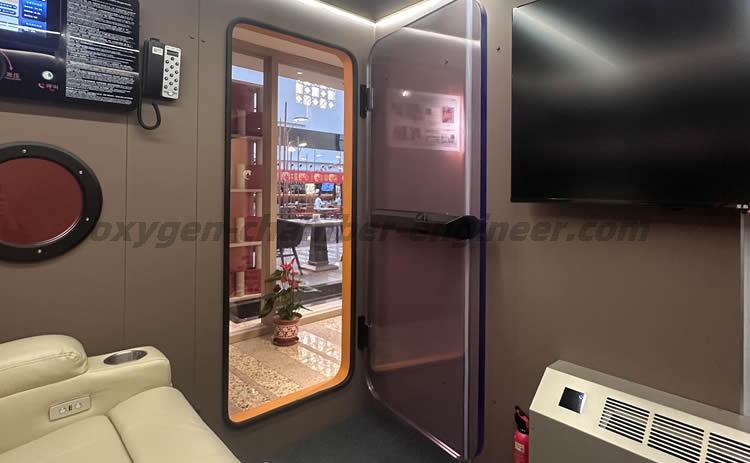
For most modern families with two or three generations living together, carbon fiber smart oxygen chambers for one or two people typically have a more balanced overall adaptability. The outer dimensions of 2100 millimeters by 1200 millimeters can provide relatively spacious interior seating and sleeping space, with a self weight of over 300 to 400 kilograms within the safe load-bearing range of conventional residential floor slabs. The 3.6 square meter footprint is also easy to layout in independent study rooms, fitness rooms, or master bedroom balconies. If family members have the habit of entering the cabin together for health maintenance, further consideration can be given to the carbon fiber specifications for two to three people. This specification increases the internal clearance while maintaining the overall power consumption at around 1200 watts. Ordinary household circuit sockets can provide stable support without the need for complex redesign of the household power supply.
Before formally signing the procurement agreement and equipment entry, it is recommended that readers proceed with on-site review item by item based on the standardized checklist. The first step is to measure the entrance path, including the net depth and height of the elevator car, the corner space of the stairs, the net width of the anti-theft door and room door, and confirm the specific implementation conditions for the delivery of the whole machine or separate assembly. The second step is to verify the electrical and environmental interfaces, confirm that the proposed installation area is equipped with independent grounding protection power sockets, maintain good ventilation and heat dissipation spacing around, and avoid direct sunlight. The third step is on-site acceptance testing. During the trial operation of the equipment, the actual oxygen concentration value of the oxygen concentrator, the smoothness of the transition between the pressure rise and fall stages, and the tightness of the sealing strip of the cabin door should be observed. The mechanical emergency pressure relief valve should be manually operated once to ensure smooth and effective pressure relief response. Only through this rational indicator verification and on-site validation process can we select micro pressure oxygen chamber equipment that is structurally robust, operates smoothly, and suitable for home environments.
(Disclaimer: Respect originality, the copyright of images and text belongs to the original author!)
(Manufacturer of hyperbaric oxygen chamber Whatsapp:)