I. The Changing Source of Oxygen: From "Scarce Resource" to "Oversupply"
To understand oxygen intoxication, we must first understand what your body experiences at high altitudes:
The Low-Oxygen Challenge at High Altitudes: Above 3000 meters, the partial pressure of atmospheric oxygen decreases significantly. To ensure oxygen supply to organs, the body initiates emergency compensation: erythropoietin (EPO) secretion surges, stimulating bone marrow to produce more red blood cells (hemoglobin). A study of first-time high-altitude travelers found that after a week at 3700 meters, EPO levels could rise to 2-4 times the level at sea level, and hemoglobin concentration also increased accordingly.
Oxygen Surprise at the Plains: Upon arriving at the plains, the atmospheric oxygen partial pressure instantly returns to normal, and your body's "red blood cell transport fleet," which has expanded to cope with the "oxygen shortage," becomes excessive. Blood oxygen saturation (SpO₂) can rapidly rise from 85%-92% at high altitudes to over 98% at the plains, equivalent to a sudden shift from "limited supply" to "unrestricted supply."
II. Core Symptoms of Oxygen Intoxication: The Body's "Recalibration"
This state of "oxygen excess" leaves the body, adapted to efficient oxygen intake and transport, temporarily disoriented, primarily manifesting as:
Drowsiness and extreme fatigue: These are the most typical symptoms. In an oxygen-rich environment, the central nervous system tends to activate an "inhibition" mode. Simultaneously, mitochondria (cellular energy factories) need time to adjust from the "energy-efficient mode" of high altitudes back to the normal metabolic rhythm of the plains, leading to temporary energy metabolism disorders and fatigue.
Dizziness and difficulty concentrating: This may be related to cerebral vascular regulation. At high altitudes, cerebral blood vessels dilate appropriately to ensure oxygen supply. Upon returning to lowland areas, the sudden increase in blood oxygen levels can trigger adaptive vasoconstriction in the brain, coupled with changes in hemodynamics, leading to temporary discomfort in cerebral blood flow regulation.
A "slower" metabolism: Some people experience decreased appetite and mild edema, as the endocrine and fluid balance systems reset their baseline.
III. A Key Factor Overlooked: The Subsequent Effects of High-Altitude Blood Viscosity
Besides oxygen itself, another "souvenir" brought back from high altitude—increased blood viscosity—is a significant contributor to worsening oxygen intoxication symptoms.
The Cost of "More Blood": While compensatory increases in red blood cells at high altitude enhance oxygen-carrying capacity, they also significantly increase blood viscosity. Studies show that long-term high-altitude residents have significantly higher hematocrit and whole blood viscosity than lowland residents.
The Lowland Dilemma of "Viscous" Blood: Upon returning to lowland areas, the number of red blood cells does not immediately decrease (red blood cells have a lifespan of approximately 120 days), but blood oxygen saturation has increased. This means the blood's oxygen-carrying efficiency is "too high," while the viscous blood leads to a relatively slowed microcirculation, potentially hindering oxygen release and utilization. This creates a contradictory state of "rich oxygen but low efficiency," exacerbating tissue fatigue and discomfort. This is why symptoms of oxygen intoxication can sometimes persist for weeks until excess red blood cells naturally metabolize and die, and blood rheological parameters return to normal.
IV. How to smoothly overcome the "oxygen intoxication period"?
Gradual adaptation: If conditions permit, upon returning from high altitude, choose to stay in a medium-altitude area (such as Xining, approximately 2200 meters) for 1-2 days to give the body a buffer period.
Active hydration to reduce blood viscosity: Consciously drinking plenty of water after returning is the most direct and effective way to reduce blood viscosity. Avoid alcohol, strong tea, and other diuretics.
Avoid strenuous exercise and ensure adequate sleep: Give the body sufficient rest time, allowing it to autonomously complete its "system reset." Avoid high-intensity exercise or staying up late in the initial stages.
Patience is key: For the vast majority of people, symptoms of oxygen intoxication are temporary and self-limiting, usually resolving spontaneously within 1-2 weeks. Excessive anxiety or medication is unnecessary.
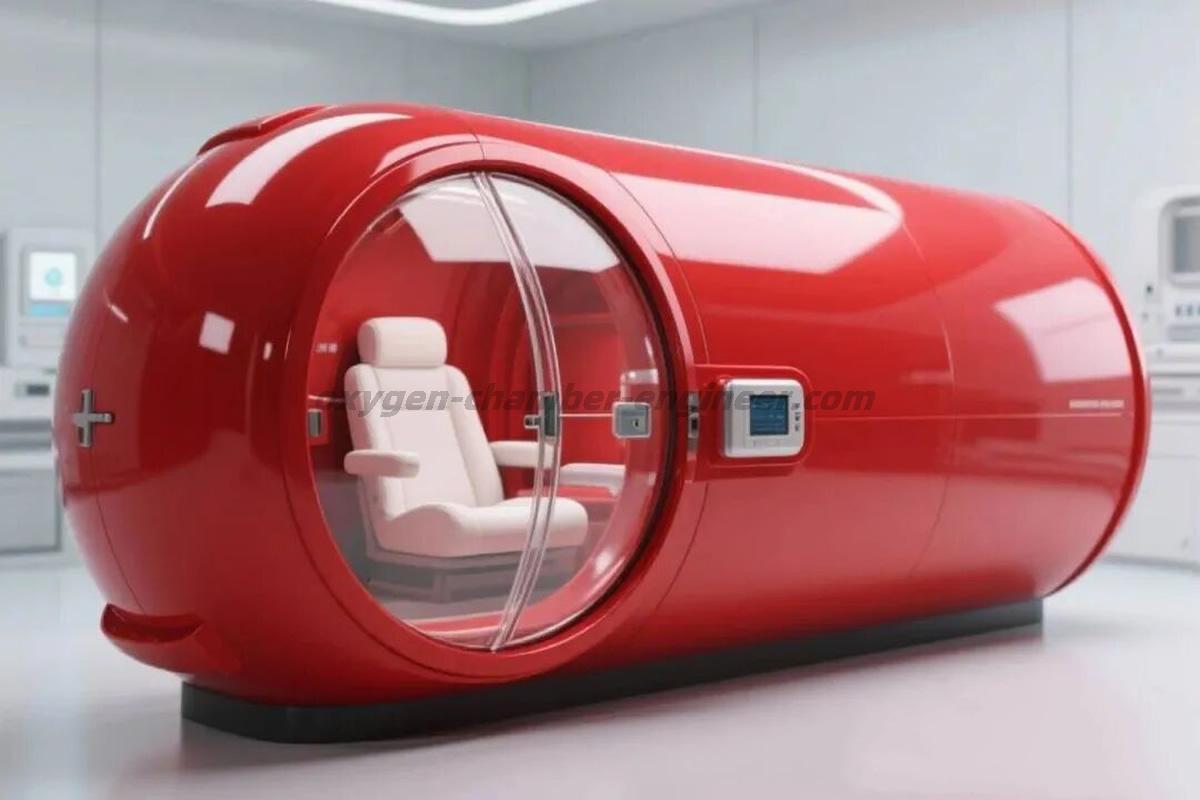
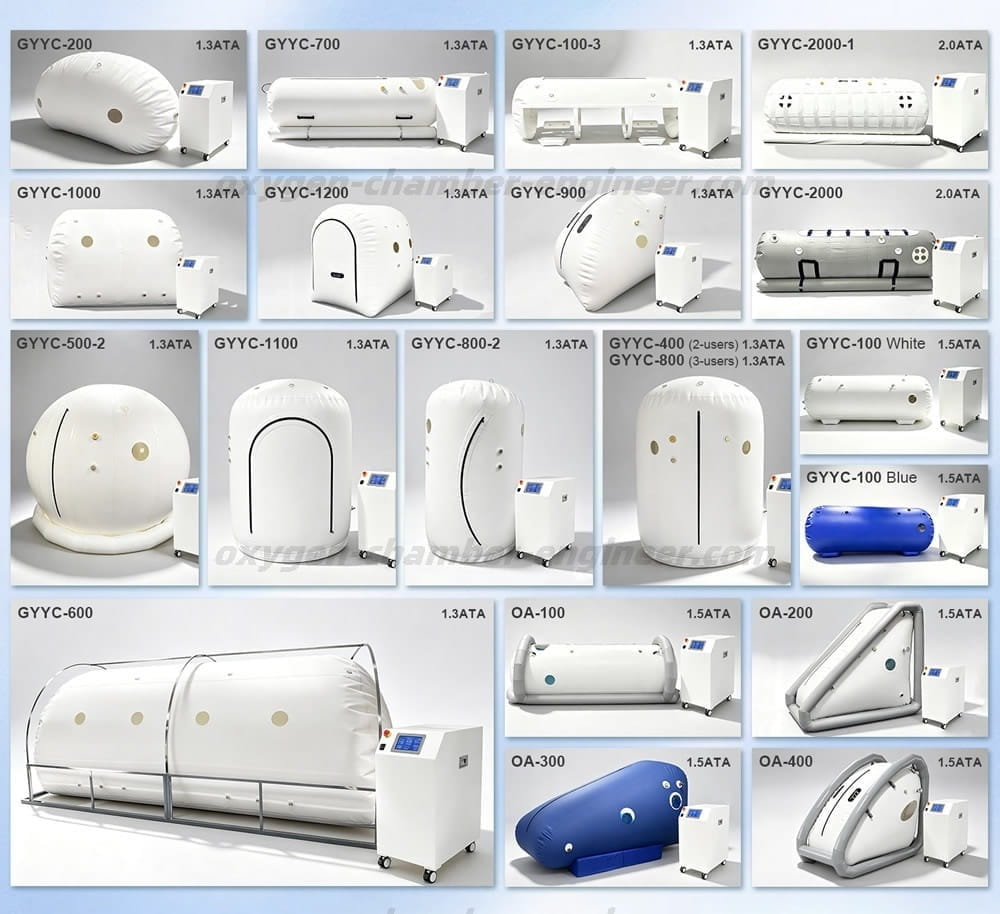
Hyperbaric oxygen therapy: For those whose symptoms do not significantly improve after half a month, what appears to be "oxygen intoxication" may actually be due to hypoxia or neuroregulatory dysfunction. Hyperbaric oxygen therapy can be considered, and clinical practice has proven its effectiveness.
V. Summary:
The essence of "oxygen intoxication" is a temporary "system compatibility" problem that occurs when the body's internal environment returns from a carefully established "hypoxic balance" to a normal "normoxic balance." "High oxygen levels" primarily arise from an increase in red blood cells, followed by an increase in dissolved oxygen due to the increased air pressure from high altitudes to lowlands, but this has a negligible impact on "high oxygen levels."
"Oxygen intoxication" is not merely a change in oxygen content, but a coordinated recalibration of the oxygen-carrying system, circulatory system, and metabolic system. Understanding the underlying physiological logic—especially the combined effect of a sudden increase in blood oxygen and subsequent increase in blood viscosity—allows us to more calmly appreciate the magnificence of a high-altitude journey and more peacefully accept the body's brief period of rest after returning home. This is our body telling us: the great journey of adaptation deserves the same respect on the return journey.

(Disclaimer: Respect originality, the copyright of images and text belongs to the original author!)
(Manufacturer of hyperbaric oxygen chamber Whatsapp:)