1. Reception and Public Areas (Focus on texture and atmosphere)
Flooring: Vintage-style wood-grain tiles, terrazzo, or linoleum/vinyl flooring. Wood-grain tiles and linoleum offer a warm, comfortable feel underfoot, while terrazzo creates a natural, retro, or understated luxury aesthetic.
Wall Materials: Beige or wood-grain fireproof panels, micro-cement, or diatom mud. Fireproof panels are versatile and fire-resistant; micro-cement and diatom mud are eco-friendly and help create minimalist, natural, or Zen-like atmospheres.
Ceiling Materials: Mineral wool boards or precast concrete panels. Mineral wool boards offer excellent sound absorption and fire resistance, making them ideal for public areas; precast concrete panels suit industrial or minimalist styles.
Decorative Materials: Stainless steel (for edging, door frames, or accents to enhance a high-tech feel) and linen-upholstered panels (for feature walls to add texture).
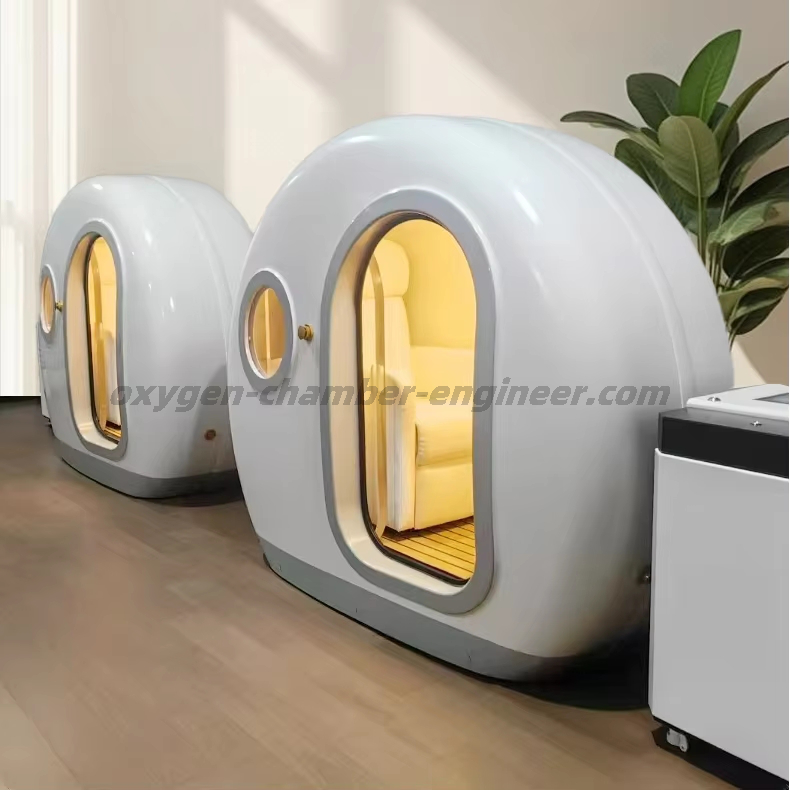
2. Oxygen Chamber Area (Focus on safety and environmental standards)
Chamber Materials: Must be eco-friendly, pressure-resistant, and corrosion-resistant, with no emission of toxic or harmful substances. Materials must comply with the *Design Standards for Hyperbaric Oxygen Chambers* and safety standards for special equipment; the use of substandard materials is strictly prohibited.
Chamber Door Materials: Must ensure a tight seal; typically made of specialized pressure- and corrosion-resistant alloys or composite materials, and equipped with an emergency opening mechanism.
3. Therapy and Rest Areas (Focus on comfort and environmental standards)
Flooring: Non-slip, waterproof flooring (vinyl/rubber) or antique-style grey bricks. Therapy areas require slip and water resistance, while rest areas prioritize underfoot comfort; both vinyl flooring and grey bricks meet these needs.
Wall Materials: Micro-cement, diatom mud, and linen-upholstered panels. These materials are eco-friendly, regulate humidity, and absorb sound, helping to create a quiet, relaxing, and therapeutic atmosphere. Furniture and Soft Furnishings: Solid wood (e.g., oak or ash for custom cabinetry or furniture; featuring rounded rather than sharp corners), woven bamboo, and cotton-linen blends (for curtains and bedding; soft to the touch).
4. Ancillary and Support Areas (Focus on functionality and regulatory compliance)
Ceilings and Walls: Must utilize Class A non-combustible materials (e.g., fire-resistant boards, gypsum board) to meet fire safety standards.
Accent Features: Elements such as living plant walls and natural stone to embellish the space and enhance the sense of natural healing.
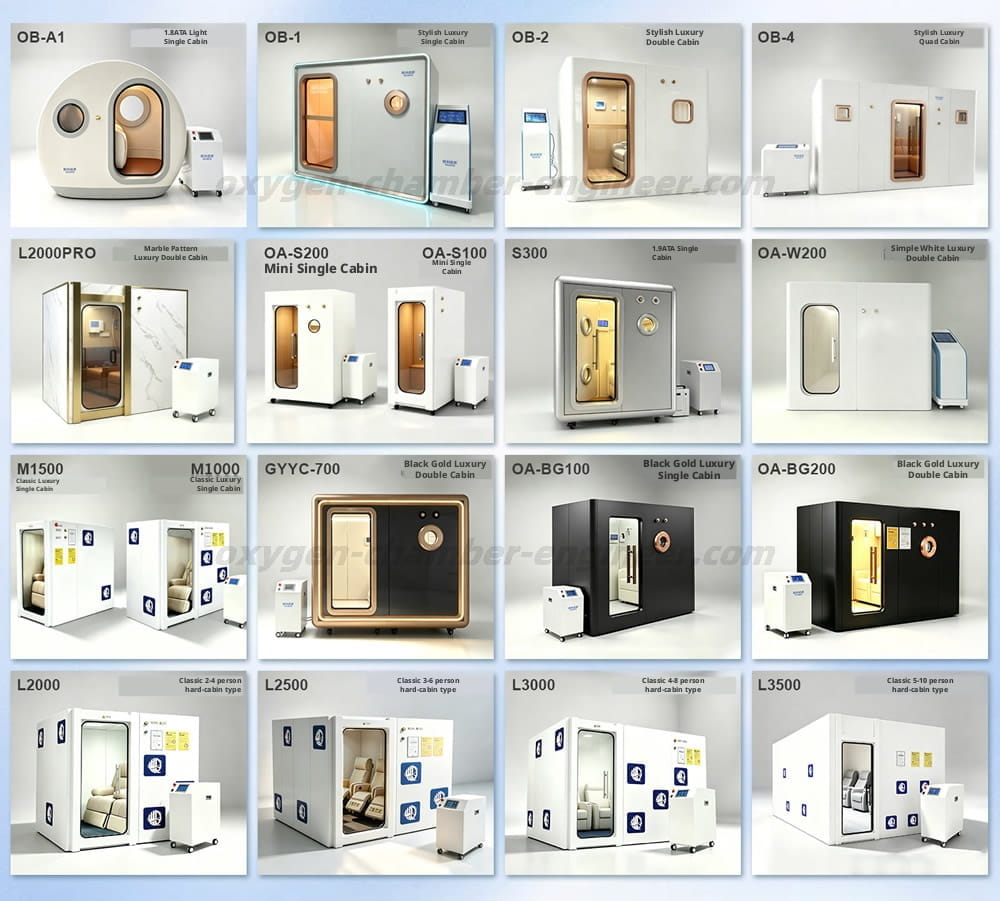
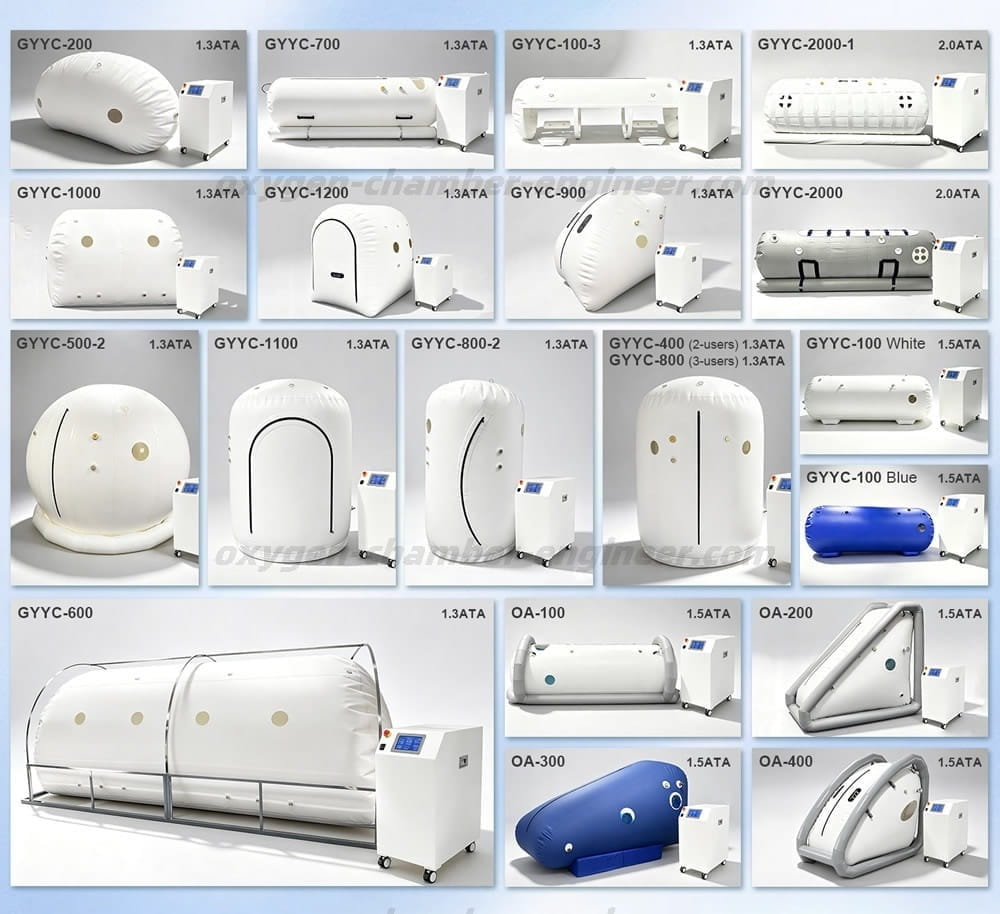
(Disclaimer: Respect originality, the copyright of images and text belongs to the original author!)
(Manufacturer of hyperbaric oxygen chamber Whatsapp:)