I. Clothing: Windproof and Warm, Layered Dressing
The plateau climate is changeable, with extreme temperature differences between day and night and a significant wind chill effect. Hypothermia is a dangerous factor that can trigger or worsen altitude sickness. The core principle is layered dressing:
Inner Layer: Quick-drying, moisture-wicking close-fitting clothing to keep skin dry.
Middle Layer: Warm fleece or thin down jacket to lock in heat.
Outer Layer: Windproof, waterproof, and breathable jacket to cope with rain, snow, and strong winds.
Essential Accessories: Sunglasses that block over 99% of UV rays, a wide-brimmed hat, high-SPF sunscreen, and warm gloves. The intensity of ultraviolet radiation at high altitudes is several times that at sea level; without protection, it can lead to solar dermatitis.
II. Food: High-Sugar, Light Meals, Adjust in Advance
One Week Before Departure: Intentionally increase carbohydrate (staple food) intake to boost glycogen reserves and provide more readily available energy for the brain and muscles.
During the Trip and Upon Arrival: Follow a diet high in carbohydrates, moderate in protein, and low in fat. Easily digestible staple foods such as rice and noodles provide quick energy and reduce the metabolic burden on the body under hypoxia. Avoid greasy meals to prevent increasing oxygen consumption by the digestive system. Strictly abstain from alcohol, as it exacerbates dehydration, dilates blood vessels, and intensifies headaches and hypoxia.
During high-altitude travel, carry high-calorie foods such as chocolate, high-concentration glucose, and cheese in case severe altitude sickness occurs.
III. Accommodation: Plan a Gradual Adaptation, Ensure a Good First Night's Sleep
Gradual Ascent: If time permits, arrive in Xining (approximately 2200 meters) and stay for 1-2 nights to allow the body to gradually initiate acclimatization mechanisms (such as increasing breathing depth and adjusting fluid balance).
The first night is crucial: On your first day at high altitude, avoid taking a hot shower to prevent vasodilation and increased oxygen deficiency. Choose accommodation with adequate oxygen supply facilities to ensure you can cope with potential nighttime discomfort (periodic breathing during sleep). The goal is to "slow down and get a good night's sleep."
IV. Travel: Maintain a calm mindset and avoid overexertion
A relaxed itinerary is better than a rushed one: Allow at least 24-48 hours for acclimatization after arrival, avoiding strenuous activity, running, or carrying heavy loads. Follow the principle of "speaking without getting out of breath and moving slowly."
Transportation: Trains or cars are preferred over direct flights to high altitudes. Long-distance driving is physically demanding and can easily lead to fatigue, so careful assessment is necessary. If traveling to high altitudes by car, make brief stops at higher altitudes along the way to observe your body's reaction.
V. Health Assessment: Crucial Medical Screening
This is the most critical part of preparation. Low oxygen levels at high altitudes amplify potential health risks. Before departure, it is recommended to consult a doctor for evaluation. Those with known conditions such as unstable angina, severe hypertension, poorly controlled heart failure, moderate to severe chronic obstructive pulmonary disease, pulmonary hypertension, or sleep apnea syndrome face extremely high risks when traveling to high altitudes and are generally advised against it.
Women should avoid traveling to high altitudes during their menstrual period, especially those with dysmenorrhea or heavy bleeding.
Those with the means should undergo a hypobaric health assessment, which more accurately reflects changes in physiological indicators in a low-pressure, low-oxygen environment.
VI. Hyperbaric Oxygen Pretreatment: Optimizing Health
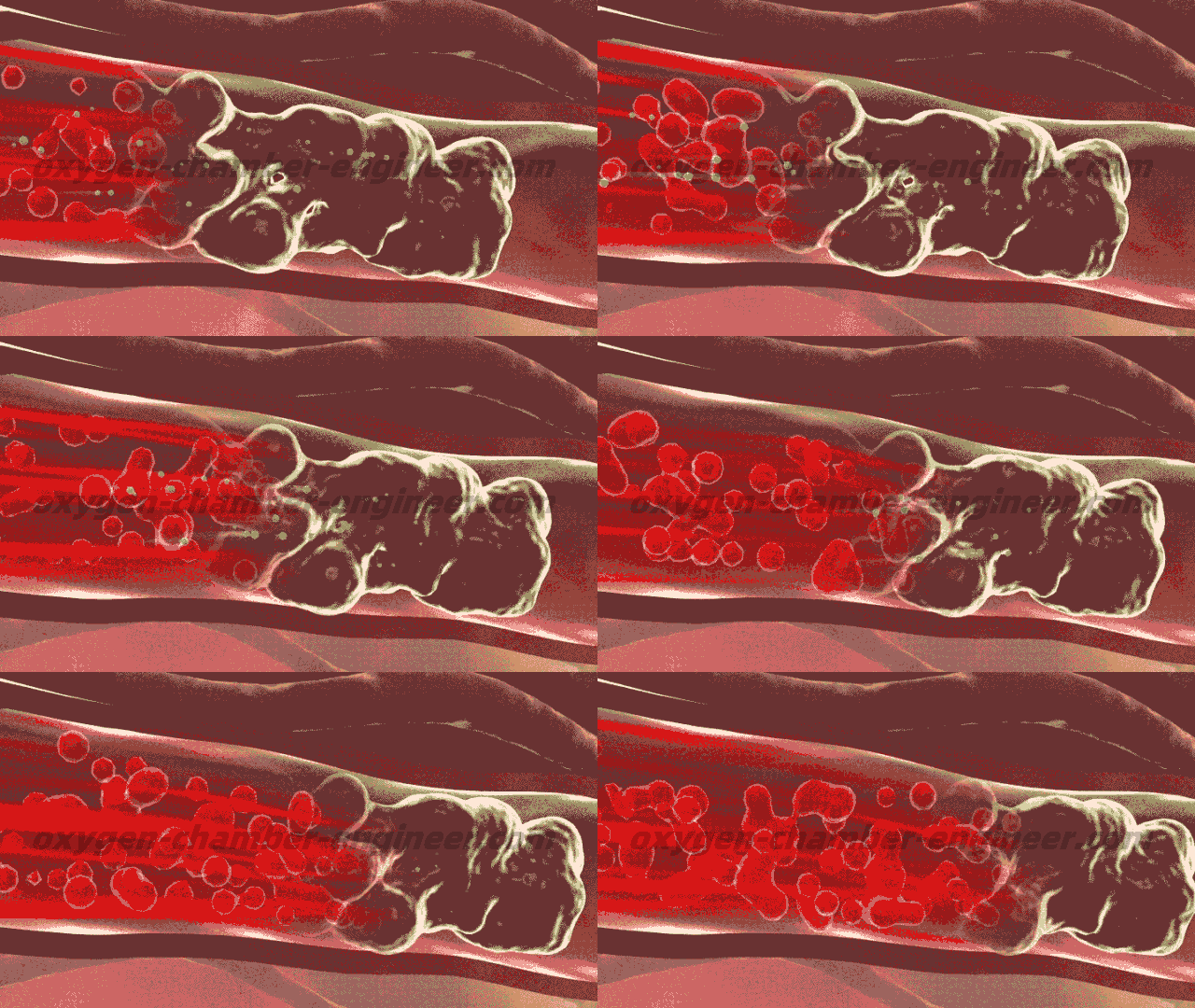
Studies have shown that undergoing 5-10 sessions of hyperbaric oxygen therapy 1-2 weeks before departure can effectively improve the body's tolerance to hypoxia, leading to better acclimatization upon arrival at high altitudes and reducing the severity and incidence of altitude sickness.
VII. Medication Preparation: Essential
Acetazolamide: A preventative medication that can be taken 24 hours before ascent to help accelerate acclimatization.
Pain relievers: Such as ibuprofen, used to relieve altitude headaches.
Dehydrating medications: Spironolactone, dexamethasone, hypertonic glucose. Spironolactone is a potassium-sparing diuretic; taking it in cases of severe altitude sickness can buy valuable time for treatment.
Personal medications: Such as vitamins, cold medicine, fever reducers, and other medications you usually take. Bring sufficient quantities and prepare extra.
Oxygen equipment: Oxygen therapy is the most direct and effective measure to prevent altitude sickness. A portable oxygen concentrator is the preferred option; a full charge allows for 3-5 hours of continuous use.
VIII. Conclusion:
The beauty of the plateau is worth longing for, and even more so, worthy of awe. A successful journey begins with meticulous preparation. Through reasonable planning of clothing, food, accommodation, and transportation, especially a rigorous assessment of your personal health condition, you can minimize risks and allow your body to smoothly begin this wonderful "system upgrade," thus fully immersing yourself in that breathtaking landscape. Be prepared, and set off with peace of mind.

(Disclaimer: Respect originality, the copyright of images and text belongs to the original author!)
(Manufacturer of hyperbaric oxygen chamber Whatsapp:)