**I. Equipment Deployment and Hardware Costs (Hidden Cumulative Costs)**
* **Transportation and Installation Fees:** When comparing "base unit" prices, businesses often overlook additional costs such as long-distance shipping, on-site delivery and handling, disassembly for inspection, and installation/commissioning. Some vendors treat these as hidden charges applied after using a low base price to attract customers.
* **Equipment Depreciation and Value Loss:** Oxygen chambers are capital-intensive assets subject to significant depreciation (an annual rate of approximately 30%) and loss of value. Furthermore, certain custom or niche models have very low residual value and are difficult to liquidate if left idle.
* **Consumables and Parts Replacement:** Components such as pressurization compressors, sealing strips, and oxygen inhalation tubes are prone to wear and tear and require frequent replacement during long-term use. As some proprietary parts are expensive, the cumulative cost of replacement cannot be ignored.
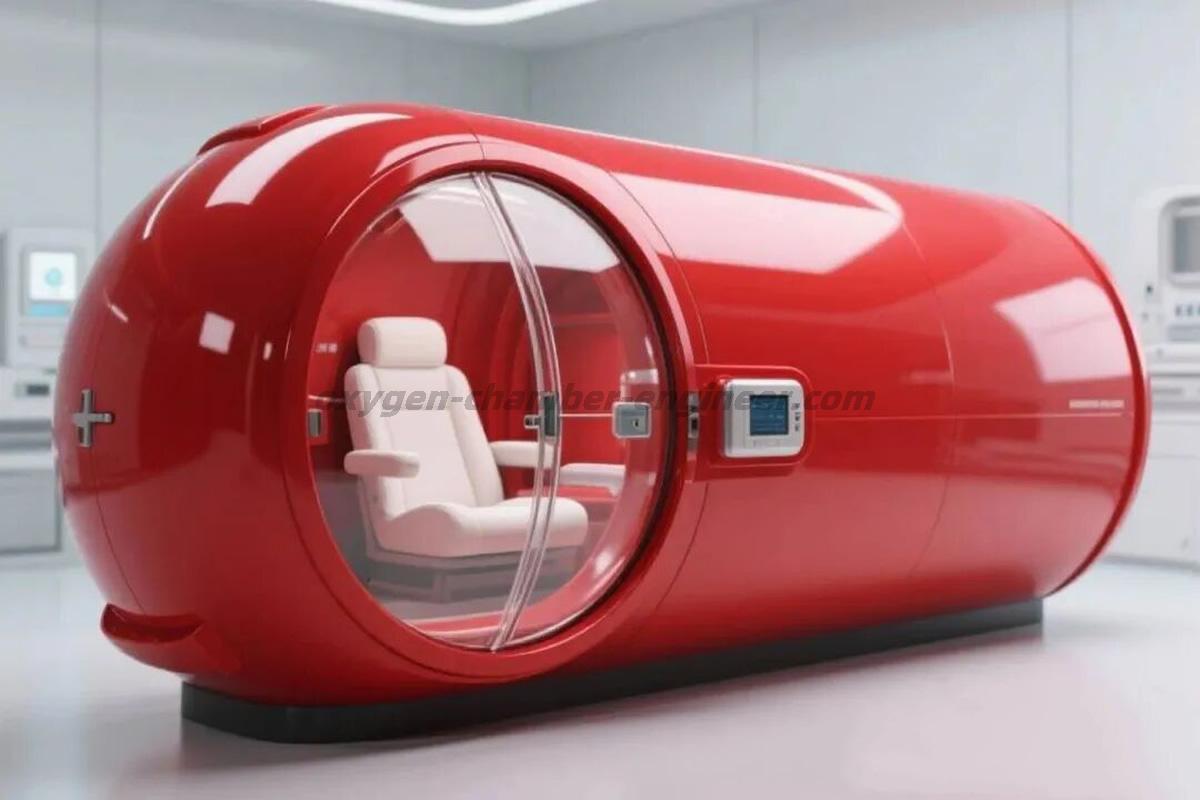
**II. Daily Operations and Maintenance Costs (Ongoing Expenses)**
* **Energy Costs:** Operating an oxygen chamber requires a continuous power supply (with some models needing water cooling for noise reduction) and electricity for the oxygen generator. Long-term operation incurs high electricity bills, which must be factored into daily operating costs.
* **Maintenance and Repair Fees:** Costs often underestimated during the initial investment phase include labor charges for on-site repairs, travel expenses for technicians, and high repair costs incurred after the warranty period expires.
* **Venue and Facility Costs:** Oxygen chambers have specific site requirements (e.g., load-bearing capacity, space, and ventilation). If the venue is leased, costs for site renovation, soundproofing, and additional rent must be considered. Additionally, expenses for necessary supporting facilities (such as surveillance and first-aid equipment) and daily cleaning and disinfection must be included.
**III. Personnel and Training Costs (Hidden Human Resource Investment)**
* **Staff Training Costs:** Although some smart oxygen chambers are simple to operate, professional staff training is still required to ensure standardized operation, guarantee customer safety, and handle emergencies, resulting in associated training expenses. Labor Costs: While operating oxygen chambers can reduce reliance on specialized medical professionals compared to some traditional therapies, staffing is still required for reception, equipment operation, and customer guidance; the associated additional labor costs must be factored in.
IV. Hidden Risks and Compliance Costs (Potential Expenditures)
Compliance and Qualification Costs: Some consumer-grade mild hyperbaric oxygen chambers are not classified as medical devices; however, instances of exaggerated marketing or improper operation could lead to regulatory penalties and compensation claims arising from customer complaints, necessitating a reserve fund for compliance and risk management.
Customer-Related Risk Costs: The use of oxygen chambers entails certain health risks (such as discomfort experienced by some individuals in pressurized environments); a lack of professional emergency support could result in potential costs associated with medical disputes.


(Disclaimer: Respect originality, the copyright of images and text belongs to the original author!)
(Manufacturer of hyperbaric oxygen chamber Whatsapp:)