I. Absolute Contraindications (Strictly Prohibited or Extremely High Risk)
Untreated pneumothorax (and mediastinal emphysema): Pressure changes within the hyperbaric oxygen chamber can cause the expansion of gas in the pleural cavity, easily leading to severe barotrauma or worsening of pneumothorax, endangering life. Treatment must be initiated immediately.

Concurrent use of certain medications: Such as disulfiram (an alcohol cessation drug that weakens the body's antioxidant capacity and increases the risk of oxygen toxicity) and antitumor drugs (such as bleomycin, cisplatin, and doxorubicin; hyperbaric oxygen therapy can exacerbate their toxic side effects or adverse reactions).
Premature and low birth weight newborns: Newborns (especially premature infants) have immature organ systems and cannot withstand the pressure changes within the hyperbaric oxygen chamber, easily leading to oxygen toxicity or barotrauma.
Untreated active bleeding and hemorrhagic disorders: Hyperbaric oxygen therapy can cause vasoconstriction and hemoconcentration, potentially worsening bleeding tendencies. Evaluation is required after bleeding is completely controlled.
II. Relative contraindications (requiring careful evaluation or postponement of treatment)
5. Uncontrolled hypertension (>160/100 mmHg) or severe hypotension: Hyperbaric oxygen therapy may cause vasoconstriction or affect blood pressure. Excessively high blood pressure can easily lead to cardiovascular and cerebrovascular accidents. Treatment is required after blood pressure stabilizes.
6. Uncontrolled epilepsy: Hyperbaric oxygen therapy may alter brain tissue oxygen metabolism and induce seizures. Evaluation is required after epilepsy is effectively controlled with medication.
7. Severe lung diseases (such as severe emphysema, bullae): Pressure changes within the hyperbaric oxygen chamber may worsen lung conditions and even cause pneumothorax. Careful evaluation is required.
8. Acute upper respiratory tract infection with Eustachian tube obstruction: During hyperbaric oxygen therapy, Eustachian tube obstruction can easily lead to barotrauma of the middle ear or sinuses. Treatment is required after the infection or obstruction is relieved.
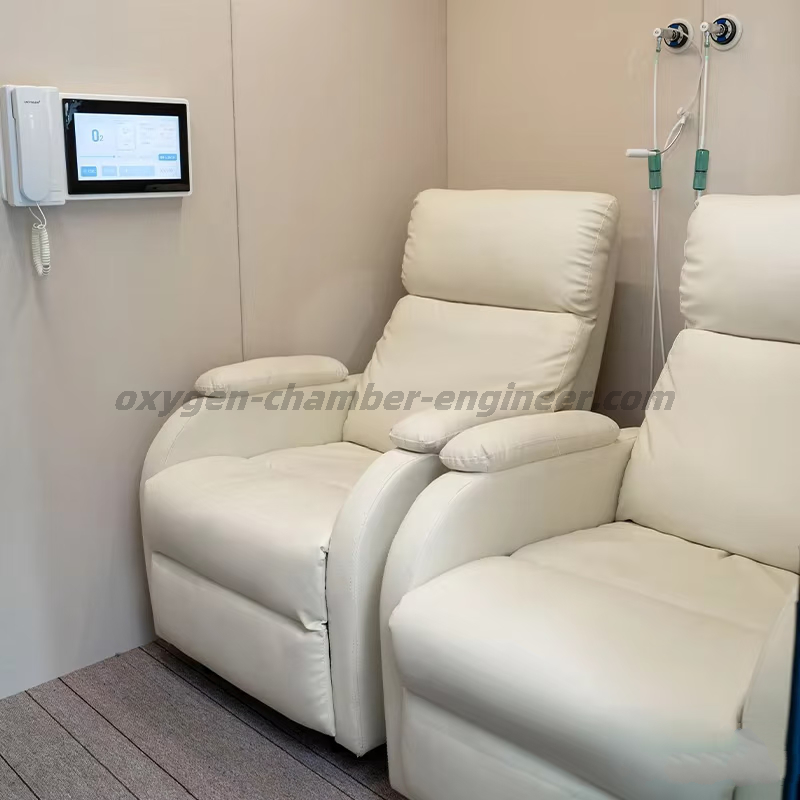
9. Claustrophobia: The confined environment of the chamber may induce severe panic, making it impossible for the patient to cooperate with treatment and even causing accidents. Assessment based on the patient's tolerance is necessary.
10. Early Pregnancy (First Trimester): The effects of hyperbaric oxygen therapy on the fetus in early pregnancy are unclear. Multiple hyperbaric oxygen therapies are not recommended unless there is a clear medical necessity.


(Disclaimer: Respect originality, the copyright of images and text belongs to the original author!)
(Manufacturer of hyperbaric oxygen chamber Whatsapp:)